
In theory, we all know that our dogs need exercise, but you may be wondering just how much or how often, especially if your pet is new to your home. Congratulations on doing your due diligence by turning to the web for answers. We're glad you found us, as you can often stumble across misinformation on pet care from well-meaning bloggers and fellow pet parents. At Dunes Veterinary Clinic, we work extremely hard to bring you the accurate information you need to raise a happy and healthy pup. For that reason, we've taken FAQs on dog exercise and answered them as thoroughly as possible, so you have the trusted information you need to care for your canine companion.
If you're looking for a highly trained veterinarian in Myrtle Beach, SC, we'd love to see your dog and ensure they're getting the optimal amount of exercise, so please call us at (843) 945-1114.
How much exercise does my dog need?
Your dog's exercise needs depend on their age, breed, and current fitness level. Aim for daily activity and consider any musculoskeletal problems. For some small dogs, a brief walk may be enough. Larger, younger, or high-energy dogs typically need longer walks or more vigorous exercise. Senior dogs also benefit from regular, gentle activity to support joint health and maintain muscle strength.
How does exercise impact the health and wellbeing of my dog?
As with people, regular exercise supports your dog's cardiovascular and respiratory health. Staying active helps maintain muscle tone, supports healthy oxygen use, and burns calories to keep your dog fit over the long term.
Exercise can also help prevent health problems, especially obesity, which is common in dogs. Excess weight is linked to many diseases and can shorten a pet's lifespan.
In large-breed dogs, extra weight puts added stress on the joints, increasing the risk of osteoarthritis and reducing quality of life. Obesity and inactivity can also contribute to metabolic problems. Combining consistent exercise with an appropriate diet helps keep your dog in the best overall condition.
Finally, activities like walks, hikes, and playing fetch keep your dog mentally engaged and strengthen your bond, supporting a happier, healthier companion.
How much is too much exercise?
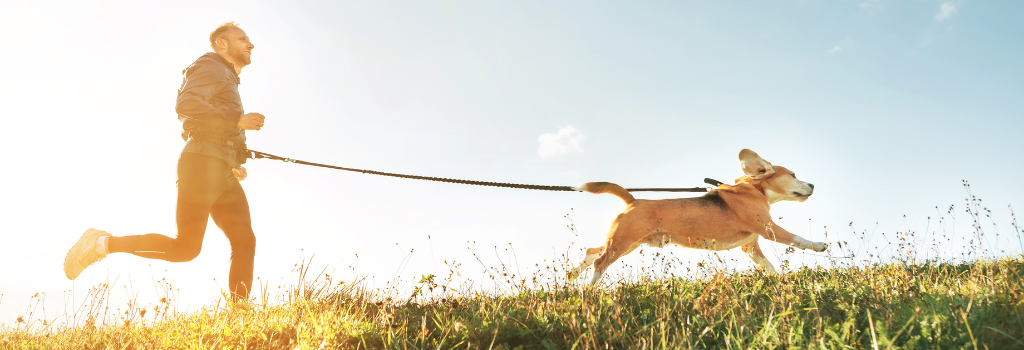
To figure out what's too much exercise for your dog, consider their age and overall health, along with the environment and breed. Some dogs have physical limits in heat. For example, bulldogs can't cool themselves efficiently, so strenuous activity in 95-degree weather can quickly lead to overheating and an urgent vet visit. On the other hand, on a cool day, active working breeds (such as Australian Shepherds, Labradors, and cattle dogs) may tolerate more intense exercise and often want to keep going. Watch for signs of fatigue (like heavy panting with the tongue hanging far out) and use your best judgment.
Puppies around 15–18 weeks old can sometimes go farther than you'd expect, but very small breeds (such as Yorkshire Terriers) are at higher risk of low blood sugar if they're overexercised. If blood sugar drops too far, they can collapse, have a seizure, or both. For tiny-breed puppies, keep sessions shorter with breaks, and feed small, frequent meals (often 4–6 times per day) so they have steady energy.
Many dogs will signal when they've had enough by slowing down or refusing to continue, but it's still important to tailor activity to the individual dog. Use extra caution in hot weather and avoid pushing your dog too hard in the summer.
What are some ways to exercise my dog outside?
The possibilities for exercising your dog outside are seemingly endless, obviously depending on where you live and the weather during different times of the year.
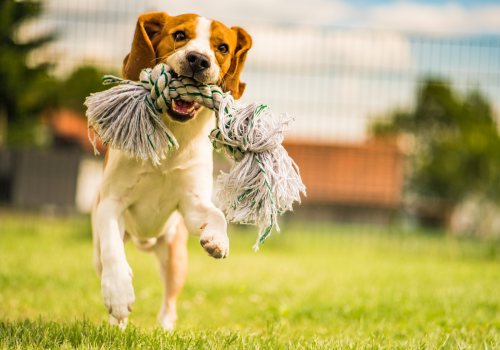
Some ideas for exercising your dog outside are:
- Go on a hike
- Go for a run
- Take them to a dog park (unless they've shown aggression towards other dogs)
- Have your dog go for a nice swim or a lap in the pond or the pool (if you need help knowing whether a body of water is safe for your dog, please ask your veterinarian)
- Throw the ball or frisbee with the dog
- Take them through an agility course
Obedience training is also a lower level of exercise, although some can be intense. Anything that will get your dog up and moving will combat obesity and is excellent for their mental and physical health (and yours!).
What are some ways to exercise my dog inside?
When it's colder, or even when it's too hot, there are things we can do inside depending on the amount of space. Get creative!
Some things you can do with your dog to exercise them inside are:
- Play a good old-fashioned game of hide-and-seek, as that's an excellent way to promote movement.
- Going up and down the stairs is an excellent form of exercise. You can throw the ball to the top of the stairs for them.
- Playing tug of war is an excellent way to exercise when done appropriately. However, if your dog has shown signs of aggression, you might ask your veterinarian whether that's appropriate.
- Treadmill or indoor agility options.
- Use the laser pointer to get them to run some stairs in your home; they're not just for cats!
You don't need anything complicated, small bursts of movement can keep your dog active, even in winter or during dangerously hot summer days.
What are some health issues that can occur from lack of exercise?
Obesity is the number one problem. It occurs far too often, and it's generally due to too many calories because of treats in the diet combined with a lack of the dog being up and active. Those calories are going to get stored as extra body tissue. We can also see things like the dog being predisposed to certain things like diabetes and arthritis that are harder to manage. Of course, cardiovascular health is essential, as is respiratory health. But ultimately, trying to prevent obesity in our canine patients would be the number one issue we want to make sure we're using exercise for.
What are some ways to motivate my dog to exercise?
Every dog's personality is a little different. Some dogs may love to run and play fetch with you, and that fetch object may be what specifically motivates them. If they love to swim, give them opportunities to swim. We try to avoid using too many treats during exercise because that negates what we're trying to accomplish. Still, if they are food motivated, it's okay to give them a little piece of a particular treat without overdoing it.
Judging your dog's personality is the most important thing. If they like to go on walks with you, they might even grab the leash and head towards the door. It is essential to identify the activities that they love and the things they associate with those things.
Avoid the dog park if your dog is not social with other dogs, but if they love the dog park, more power to them. And if you work full-time or don't have as much of an opportunity to get your dog the exercise they need, doggy daycare can be an excellent option.
The ASPCA is another excellent resource on how much exercise your dog needs, creative ways to get your dog to exercise, and the considerable impact obesity can have on a pet's life. If you live in or near Myrtle Beach, SC, and are looking for quality pet care, come visit us at Dunes Veterinary Clinic where your pet is our priority. Contact us at (843) 945-1114 to set an appointment, or email us at [email protected]. Our staff would love to talk with you!
Don't forget to follow us on social media: Facebook, Instagram.
Veterinary Services
Below are all of the veterinary services we offer at Dunes Veterinary Clinic. If you have any questions regarding our services, please feel free to contact us.