
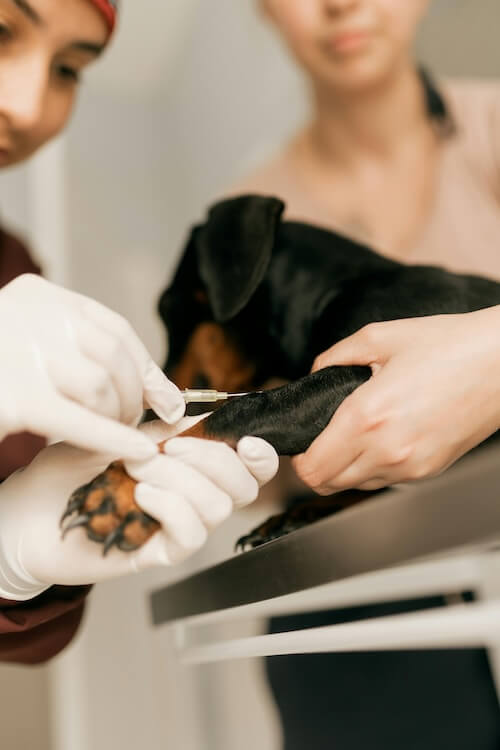
Comprehensive Laboratory Services for Your Pet
Laboratory testing is an important part of veterinary care, helping us understand what is happening inside your pet—even when they appear healthy. From routine wellness screening to diagnosing illness, lab work provides valuable information that helps our veterinary team make informed decisions about your pet’s care.
What types of laboratory services do you offer?
Our laboratory services may include:
- Complete blood counts (CBC)
- Blood chemistry panels
- Urinalysis
- Fecal testing and parasite screening
- Heartworm and other infectious disease testing
- Blood-clotting tests when indicated
- Cytology and evaluation of cells or tissue samples
- Pre-anesthetic bloodwork
- Therapeutic drug monitoring when appropriate
- Senior wellness screening panels
Which tests are available in-house?
Many routine diagnostic tests can be performed in-house, allowing our veterinary team to obtain important results quickly. Depending on the test and your pet’s needs, more specialized samples may be sent to an outside veterinary diagnostic laboratory for additional analysis.
What are common reasons pets need lab work?
Laboratory testing may be recommended as part of:
- Routine wellness examinations
- Pre-surgical and pre-anesthetic evaluations
- Investigation of vomiting, diarrhea, or appetite changes
- Unexplained weight loss or weight gain
- Increased thirst or urination
- Fatigue or changes in behavior
- Suspected infection or illness
- Monitoring chronic conditions
- Monitoring medications
- Senior-pet evaluations
How does lab testing help with prevention and early detection?
Pets can develop significant health problems before obvious symptoms appear. Routine screening can establish baseline values and may reveal subtle changes in organ function, blood cells, metabolism, or other areas of health.
Early detection can give your veterinarian an opportunity to investigate abnormalities and address potential problems before they become more advanced.
How often should healthy pets receive routine lab screening?
The appropriate schedule depends on your pet’s age, health, breed, lifestyle, and medical history. Younger, healthy pets may need less frequent screening, while adult and senior pets often benefit from more regular testing.
Your veterinarian can recommend a screening schedule based on your pet’s individual risk factors rather than using a one-size-fits-all approach.
What conditions can lab work help identify?
Laboratory testing can provide information that helps detect or monitor conditions such as:
- Anemia and other blood disorders
- Kidney disease
- Liver disease
- Diabetes
- Urinary tract problems
- Infections and inflammation
- Intestinal parasites
- Electrolyte abnormalities
- Thyroid and other endocrine disorders
- Certain infectious diseases
Lab results are interpreted together with your pet’s history and physical examination rather than viewed in isolation.
Do you offer senior pet screening panels?
Yes. Senior screening can be an important part of preventative care. A comprehensive senior panel may evaluate blood-cell counts, kidney and liver function, blood sugar, electrolytes, and other important health indicators. Additional testing may be recommended based on your pet’s age, symptoms, and medical history.
How quickly are results available?
Turnaround time depends on the type of test. Many routine in-house tests can produce results during the same visit or within a short period, while specialized tests sent to an outside laboratory may take longer. We’ll let you know when you can expect results and will discuss any significant findings with you.
Are there differences between dog and cat lab recommendations?
Yes. Although many laboratory tests are used for both dogs and cats, recommended screening can differ based on species, age, lifestyle, and common health risks.
Cats, for example, may benefit from specific screening for conditions that are particularly common in felines, while dogs may have different age- or breed-related risks. Your veterinarian will tailor laboratory recommendations to your pet rather than relying on a standard testing plan.
Better Information for Better Care
Whether your pet needs routine wellness screening, pre-surgical testing, or diagnostic workup, laboratory testing gives our veterinary team important insight into your pet’s health. Combined with regular examinations, appropriate lab screening can help us detect changes earlier and provide more personalized care throughout your pet’s life.
Veterinary Services
Below are all of the veterinary services we offer at Dunes Veterinary Clinic. If you have any questions regarding our services, please feel free to contact us.